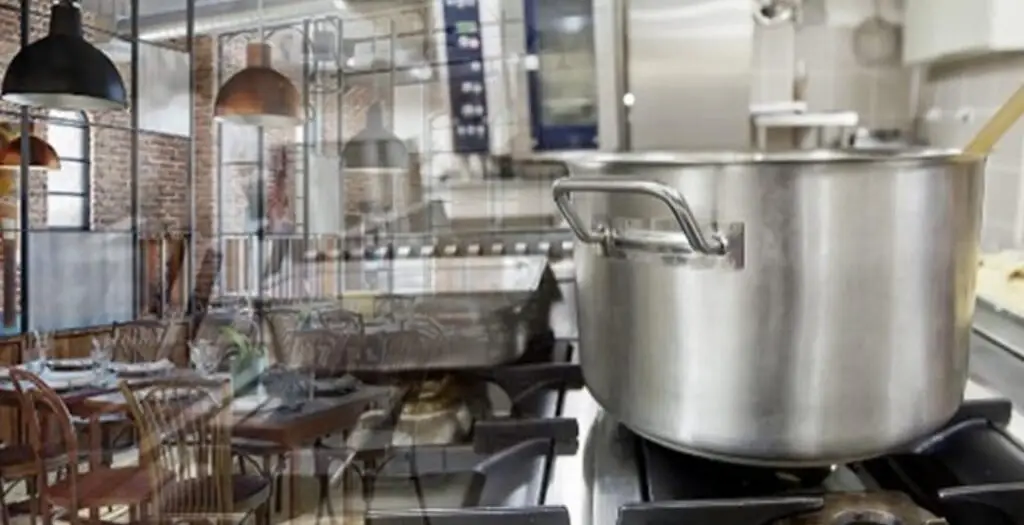
Chefs and managers carry ultimate responsibility for ensuring food is safe for every customer. With food allergies rising sharply, over 150 million people across Europe now suffer from allergic diseases, and around 10 people a year in the UK die from food induced anaphylaxis. This training goes beyond the basics. It equips kitchen leaders with the knowledge, systems, and practices needed to protect both guests and the business.
The course begins by defining what allergens are, the difference between an allergy and an intolerance, and an in depth look at the 14 major allergens. You’ll explore not only where these appear but also how they can be “hidden” in ingredients, sauces, or manufactured products. The module also explains your legal responsibilities under the Food Information Act 2014 and Natasha’s Law (2021), including clear rules around labelling, packaging, and communicating allergen information. Importantly, it reinforces that customers may be allergic to any food, so every query must be taken seriously.
Learners then build the practical skills to manage allergens safely across the entire food cycle, from delivery and storage, through preparation and service. This includes safe labelling, handling “may contain” warnings, recognising alternative ingredient names (e.g. “casein” for milk), and recording information accurately for due diligence. You’ll also learn the importance of briefing both Kitchen and Front of House staff and developing a major allergy plan along with communicating clear allergen information to customers.
Finally, the course widens the lens to cover special diets, from coeliac disease to pregnancy considerations, and from halal/kosher requirements to vegetarian and vegan diets. By the end, chefs and managers will have the confidence and tools to keep guests safe, lead compliant kitchens, and set the right example for their teams.
Our client-centric approach, coupled with our dedication to delivering exceptional results, ensures that your business stands out, attracting attention and driving engagement.
The course is delivered fully online and is split into five highly interactive sections. Learners will engage with videos, case studies, questions, and activities that use real hospitality situations and finish with a quiz to ensure points are remembered and understood. The module may be completed in short sections over a period of time or all at one go! In addition, there are links to websites and documents that can be used to research further learning
1.5 Hour
1
Screen Reader
To Further Information
English
24 Questions
Automatic Download
Yes
This training is designed for chefs and managers working in any hospitality setting, particularly restaurants, bars, and event venues. It is recommended even for those holding a Level 2 Food Safety certificate, as this module provides greater depth and practical application.
It can be used as part of induction, refresher training, or to meet specific compliance needs. The course also supports Level 2 Commis Chef apprenticeships and contributes to required off-the-job training hours.
The end quiz ensures that key points are both remembered and understood and using 24 questions covers key aspects of the module content and objectives. The pass mark is 80% and on successful completion the certificate endorsed by the Institute of Hospitality is automatically available to be downloaded. Questions are in the same style as within the learning part of the module, ie: drag and drop, single choice and multiple choice and there is an opportunity to review the key points before starting the quiz. If needed, incorrect answers can be reviewed before retaking the quiz as many times as needed.
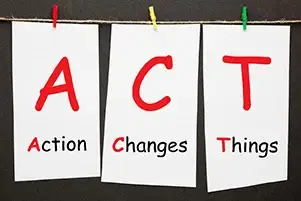
Completing training doesn’t always mean that action and change happens! Use our unique action plans that learners can download from within the module and complete. In this module there are 2 separate plans: the main action plan is a series of questions to answer on how food allergens are managed across the food cycle in the kitchen. The second action plan is to determine that learners know and action the company procedure if a customer or colleague does develop an allergic reaction. Managers can use the action plans as a check for themselves and to discuss with individuals and organise additional information and training to ensure all the team are confident. In addition, there are links to websites and documents that can be used to research further learning.
We use cookies to improve your experience on our site. By using our site, you consent to cookies.
Manage your cookie preferences below:
Essential cookies enable basic functions and are necessary for the proper function of the website.
Google Tag Manager simplifies the management of marketing tags on your website without code changes.
Statistics cookies collect information anonymously. This information helps us understand how visitors use our website.
Google Analytics is a powerful tool that tracks and analyzes website traffic for informed marketing decisions.
Service URL: policies.google.com (opens in a new window)
Google reCAPTCHA helps protect websites from spam and abuse by verifying user interactions through challenges.
SourceBuster is used by WooCommerce for order attribution based on user source.
You can find more information in our Cookie Policy and Privacy Policy.

The Institute of Hospitality endorses all our training modules and programmes.
Sign up for our newsletter!
Graeme Clarke
Director of eLearning
Graeme
Please start a WhatsApp chat if you require additional information.